

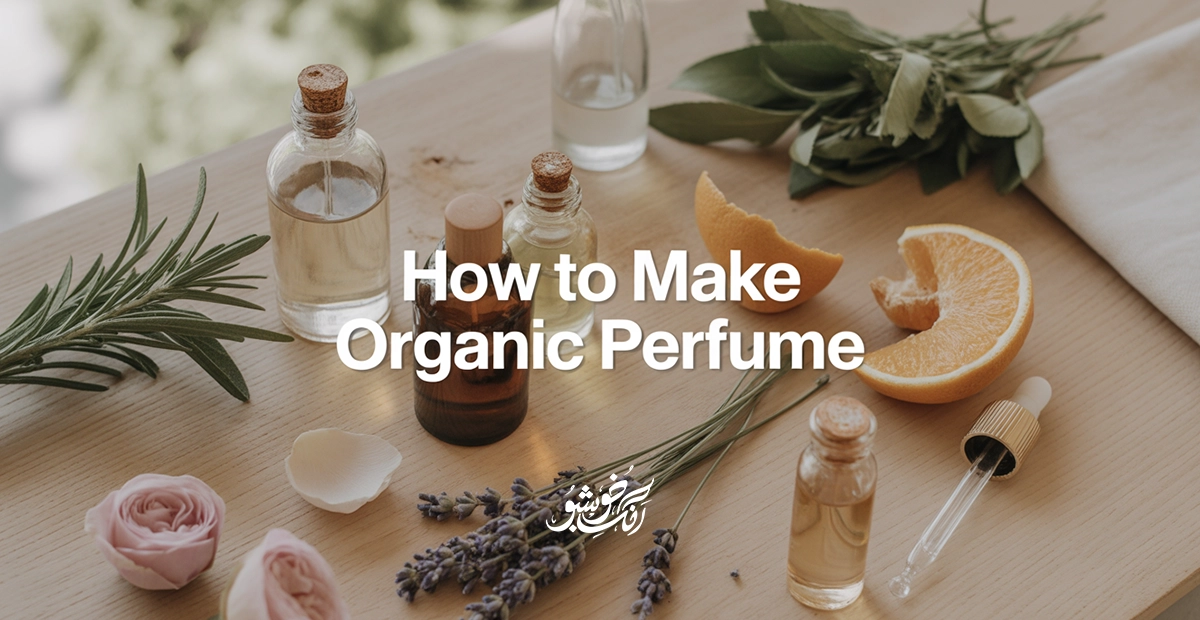
How to Make Organic Perfume | Ultimate Guide 2026
Have you ever bought a perfume that smelled amazing at first but caused irritation or faded too quickly? Learning how to make organic perfume can solve these common problems naturally. By making your own fragrance, you control the ingredients, avoid harsh chemicals, and create a scent that’s unique to you.
How to make organic perfume isn’t just for experts; anyone can start with simple ingredients like essential oils, carrier oils, and herbs. In this guide, you’ll discover easy steps, useful tips, and natural combinations to craft long-lasting, skin-friendly perfumes at home. By the end, you’ll confidently create your own personal fragrance.
Why Choose Organic Perfume?
Making your own perfume has several benefits over store-bought options:
- Chemical-free: Safe for sensitive skin and avoids allergies.
- Eco-friendly: Uses natural ingredients and reduces waste.
- Customizable: Create your signature scent that’s uniquely yours.
- Cost-effective: Homemade perfumes are cheaper than branded ones.
Organic perfumes give your skin and senses a gentle, lasting fragrance while avoiding synthetic additives.
Essential Ingredients for Homemade Organic Perfume
To start, gather simple, natural ingredients:
| Ingredient Type | Examples | Purpose |
| Carrier Oils | Jojoba, Sweet Almond, Coconut | Base for perfume, moisturizes skin |
| Essential Oils | Lavender, Rose, Citrus, Sandalwood | Provides main fragrance notes |
| Herbs & Flowers | Rose petals, Chamomile, Jasmine | Adds natural aroma, color, and softness |
| Alcohol (optional) | Vodka or Grain Alcohol | Preserves perfume and blends scents |
| Distilled Water | N/A | Dilutes fragrance if needed |
Tip: Always use high-quality, organic ingredients to ensure purity and long-lasting fragrance.
How to make Organic Perfume | Step-by-Step Guide
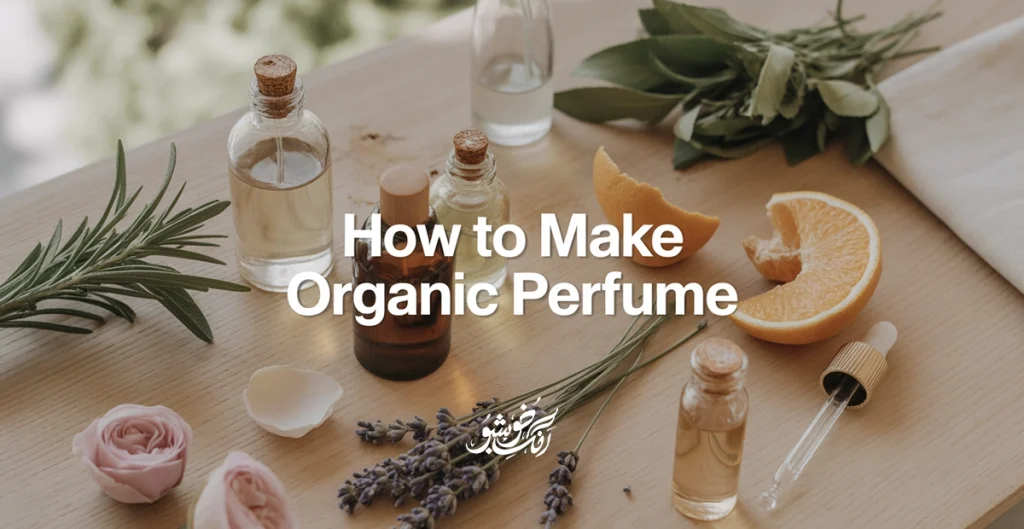
Step 1 – Choose Your Base Ingredients
- Select a carrier oil like jojoba or sweet almond oil.
- Optional alcohol can help the scent last longer.
- Measure carefully: 80% carrier oil to 20% essential oils is safe for beginners.
Step 2 – Select Essential Oils for Fragrance
Perfume notes come in three layers:
| Note Type | Oils Examples | Role in Perfume |
| Top Notes | Lemon, Grapefruit, Peppermint | First scent you smell, light & fresh |
| Middle Notes | Lavender, Jasmine, Rose | Heart of perfume balances top & base |
| Base Notes | Sandalwood, Vanilla, Cedarwood | Long-lasting scent foundation |
Tip: Blend 1-2 drops of top note, 2-3 drops middle, 1-2 drops base per 10 ml carrier oil.
Step 3 – Blend and Mix Ingredients
- Pour carrier oil into a clean glass bottle.
- Add essential oils slowly, layer by layer.
- Shake gently and let the perfume mature for 48 hours to 1 week for scents to blend.
Step 4 – Store Your Homemade Perfume
- Use dark glass bottles to protect from sunlight.
- Keep in a cool, dry place.
- Perfume can last 6-12 months if stored properly.
Step 5 – Tips for Long-Lasting Perfume
- Apply on pulse points: wrists, neck, behind ears.
- Layer scents with body lotion of same fragrance.
- Avoid rubbing wrists together, it reduces longevity.
Common Mistakes to Avoid When Making Organic Perfume
- Overusing essential oils (can irritate skin)
- Ignoring balance of top, middle, base notes
- Storing in plastic bottles (affects fragrance)
- Using synthetic or chemical ingredients
Tip: Follow step ratios carefully and test small batches first.
Creative Ideas to Personalize Your Perfume
- Add seasonal flowers for a unique aroma.
- Mix citrus & floral oils for fresh scents.
- Create a signature gift for friends and family.
- Experiment with herbal or spicy notes for a personal twist.
FAQs: How to Make Organic Perfume
Closing Statement
Learning how to make organic perfume is simple, creative, and rewarding. By following this guide, you can craft safe, chemical-free fragrances tailored to your taste. Experiment with different essential oils, personalize your blends, and enjoy the natural aroma every day. Start your DIY perfume journey today and discover the joy of creating unique scents that truly reflect you. (How to Make Organic Perfume)
